

Usability testing before launch reveals how real visitors interact with completed builds rather than how designers assume visitors will behave across finished page layouts. Top-rated web design companies on WebDesignAgencyRankings treat usability testing as a non-negotiable pre-launch stage rather than an optional quality addition that time-pressured projects skip without consequence. The purpose of this is to separate professional agencies from those who deliver untested builds.
Internal review misses problems
Internal agency review processes examining completed builds from team members familiar with intended navigation logic consistently miss usability problems that unfamiliar visitors encounter immediately without prior project knowledge. Design and build teams navigating sites they created carry contextual familiarity that prevents them from experiencing the orientation confusion that first-time visitors encounter when intended pathways lack sufficient visual signposting for unfamiliar audiences. Usability testing introduces genuine unfamiliarity into the review process through participants who approach completed builds without briefing or context, surfacing navigation confusion, unclear labelling, and pathway friction that no amount of internal review replicates through team members already knowing where everything sits.
Behaviours are tested
Usability sessions examine specific visitor behaviours across defined task completions rather than collecting general impressions about aesthetic preferences that subjective feedback produces without actionable specificity. Four usability testing areas that agency sessions systematically cover:
- Task completion success rates measure whether participants successfully reach defined destinations, contact pages, product listings, and service detail sections without abandoning attempts before completion
- Navigation comprehension assessment, observing whether primary and secondary navigation labels communicate destination content accurately to participants without prior site familiarity
- Call-to-action recognition testing confirming that action elements attract participant attention at intended decision points rather than being overlooked within surrounding visual content
- Mobile interaction usability observation covering touch target accuracy, form completion ease, and scroll behaviour across key conversion pages on mobile device dimensions
Pre-launch drive results
Usability findings translated into specific pre-launch fixes represent the direct value that testing investment produces rather than observation reports documenting problems without connected improvement actions. Agencies treating usability findings as pre-launch fix lists rather than post-launch consideration documents resolve identified problems before visitor traffic encounters them, rather than accumulating evidence of issues that real visitor behaviour subsequently confirms. Pre-launch fix cycles addressing usability findings cover label revisions, layout adjustments, call-to-action repositioning, and pathway clarifications that testing sessions surface before launch investments in traffic and promotion expose unresolved problems to real audiences at scale.
Test across devices
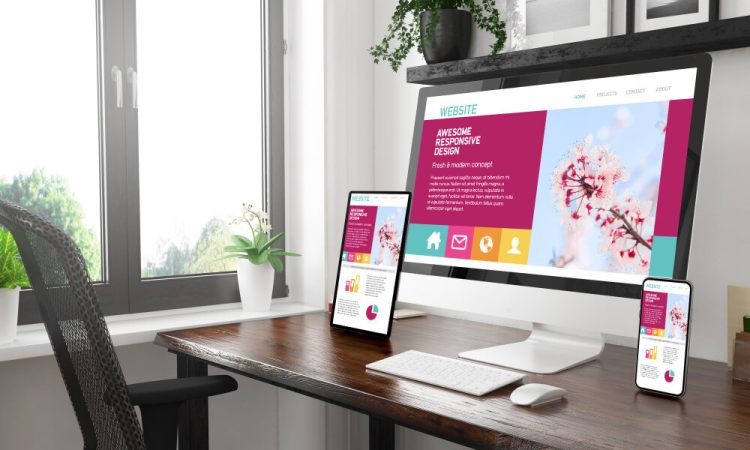
Cross-device usability testing, extending assessment beyond desktop sessions, covers mobile and tablet interaction behaviours that desktop-only testing consistently leaves unexamined, despite mobile visitors representing significant or majority traffic proportions across most website categories. Mobile usability sessions examining touch interaction, content readability, and conversion pathway completion on actual mobile devices surface touch target sizing failures, content truncation problems, and form interaction difficulties that desktop sessions never encounter through mouse-based interaction patterns. Agencies conducting cross-device usability testing before launch confirm that builds deliver equivalent pathway clarity and conversion accessibility across all device types, rather than assuming desktop approval transfers automatically to mobile usability without separate examination.
Usability testing priority reflects the reality that internal review never replicates genuine visitor unfamiliarity regardless of review thoroughness, instead of relying on visitors’ behaviour as the primary method of identifying usability problems that pre-launch testing could have identified earlier.